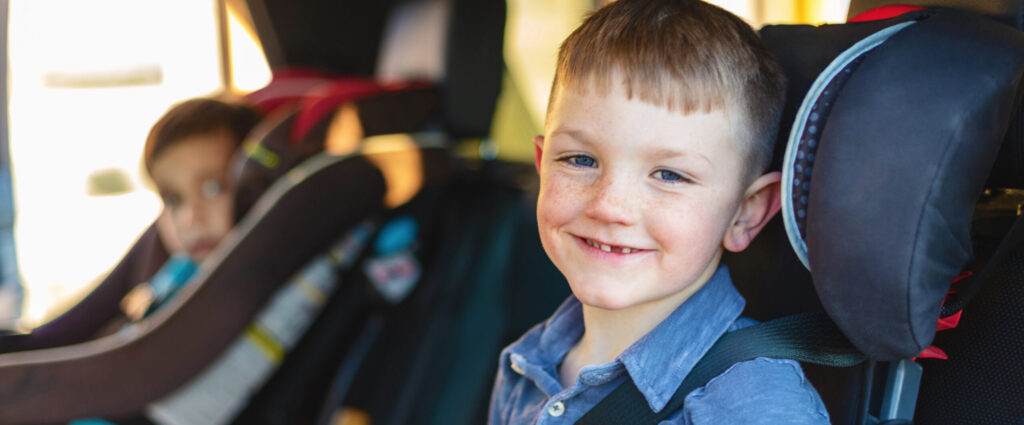
If you’ve ever stood outside your vehicle staring at your car seat manual wondering if anyone truly installs these things perfectly, you’re not alone. As a mom of two, I can relate to double-checking the manual, tugging the straps, wiggling the seat and wondering whether I have everything exactly right before pulling out of the driveway. Car seat safety can feel overwhelming, especially as kids grow. It can also be challenging to keep up with current laws and recommendations. But here’s some good news: understanding why each step matters can make the whole process much less stressful.
Let’s take a step back and look at the full picture of child passenger safety, from the very first car ride home as a newborn to the booster seat years and every stage in between. Understanding key do’s and don’ts can make a big difference, especially when it comes to two stages that are often rushed (or sometimes skipped altogether): keeping kids rear-facing longer and using booster seats for smaller tweens. We’ll also share trusted, free resources to help caregivers feel confident and supported at every step along the way.
Why is car seat safety such a big deal?
Sadly, motor vehicle crashes remain a leading cause of serious injury for children. In Canada among all road fatalities in 2023, 2.8% were children aged 14 and younger. This is comparable to the United States, where 2% of all traffic fatalities in 2023 were also children aged 14 and younger (Transport Canada, 2025; NCSA, 2025). In Canada, among children in this same age group killed in road crashes from 2014-2023,  almost one in ten (9%) were not using a child restraint (i.e., car seat/booster) or seat belt (TIRF Fatality Database, 2026). The right car seat, used correctly, significantly reduces the risk of injury or death. Car seats are carefully engineered to protect children’s bodies, which are still developing and far more vulnerable than adult bodies.
Each stage of car seat use is designed to manage crash forces in a way that matches a child’s size and development. Skipping a step or transitioning too soon can mean missing critical safety steps, preventing the child-restraint from working the way it’s intended to keep them safe.
The Do’s & Don’ts of car seat safety
DO:
- Use a car seat that fits your child’s height, weight, age and developmental level.
- Follow both your car seat manual and vehicle owner’s manual.
- Keep children in each stage as long as possible to maximize safety and minimize risk.
- Make sure the seat is currently installed and the harness is adjusted properly.
- Register your car seat so you’re notified about recalls.
- Contact the manufacturer or a trained safety professional if you have questions or need assistance.
DON’T:
- Move your child to the next stage too soon.
- Assume an adult seat belt alone is safe for children under the age of 13 years.
- Use bulky coats or non-approved add-on products.
- Use an expired car seat or one that has been involved in a crash.
Rear-facing: why longer is better
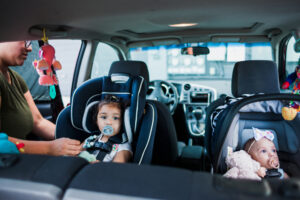 Rear-facing is the safest way for young children to ride, and experts recommend keeping kids rear-facing until they reach the maximum height or weight allowed by the seat they are using.
Rear-facing car seats cradle and support a child’s head, neck and spine, helping to absorb crash forces and drastically lowering the risk of serious injury especially in frontal crashes, which are the most common. Research also shows children are not at increased risk of leg injury when rear-facing.
Legs touching the vehicle seat may look uncomfortable to adults, but kids are flexible and safe while riding that way. I know how easy it is, as a parent, to look in the mirror, see bent knees or crossed legs and wonder if it’s time to turn the seat around. That familiar-looking position can be misleading as a sign of discomfort, when in reality rear-facing provides the essential protection to their necks and spines.
Forward-facing is a step, not a race to the finish line
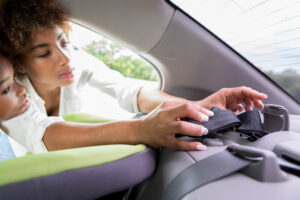 Once children transition to forward-facing, a child restraint with a five-point harness still plays a critical role. Harnesses spread crash forces across stronger parts of a child’s body and limit movement during a crash.
A common mistake is moving kids to booster seats as soon as they meet minimum height and weight requirements. It is easy to understand the temptation, the booster is lighter, takes up less space and can feel like a proud big kid milestone. But I have learned to treat that excitement as a reason to pause and check the seat limits again, rather than as a reason to rush. Minimums are not safety goals, they’re starting points. Staying harnessed until a child fully outgrows the seat offers better protection.
An important feature on forward-facing car seats but not on low-back booster seats is the tether. That long strap, generally found on the top back of the forward-facing car seat, should always be used. This helps to stabilize the car seat and provides critical added protection for the child. It may also have you questioning your strength, as you pull the strap as tight as possible to ensure the seat is secure.
Don’t skip the booster seat years
 Booster seats are one of the most frequently skipped stages of child passenger safety, but they play a very important role in your child’s safety. Seat belts are designed for adults, not growing kids. Without a booster:
- Lap belts may ride high on the soft abdomen
- Shoulder belts may cross the neck or face (also soft tissue areas)
- Kids may slouch or reposition the belt
A booster seat ensures the seat belt fits correctly across the hips and shoulder so it can do its job in a crash. Believe it or not, most kids need a booster until they are between ages 10 and 12.
So, how do we know when a child is ready to transition from a booster seat to using the vehicle’s lap and shoulder belt? This is the kind of milestone that can feel deceptively simple: a child may point out that friends no longer use boosters or insist they are big enough. When this happens, I find it helpful to set those comparisons aside and return to the same objective check each time. Proper fit, not age, is the determining factor.
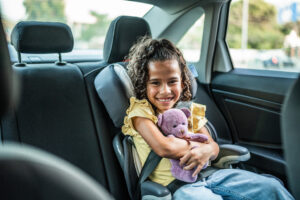
To determine if a child is ready to ride in a seat belt, all of the following must be true:
- Lap belt fits low and snug across the upper thighs or hip bones, not across the stomach
- Shoulder belt lies flat across the middle of the chest and shoulder, not touching the neck, face or slipping off the shoulder
- Back and hips stay against the vehicle seat, without slouching
- Knees bend naturally over the edge of the vehicle seat
- Feet rest flat on the floor, allowing the child to maintain this position for the entire trip
If your child can’t sit properly with correct belt fit for the entire ride, they’re safest in a booster.
Free, trusted resources for caregivers
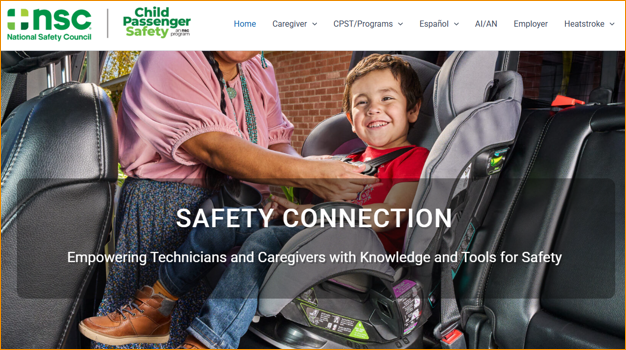
There is so much to know about child passenger safety and it can be a bit overwhelming at times. I have had moments when one simple question, whether a harness was sitting correctly or whether a child had reached the next stage, sent me back to the manual for reassurance. Knowing where to find a trusted answer makes those moments far less stressful. Safety Connection, a program managed by the National Safety Council (NSC), brings together trusted, evidence-based resources that help caregivers access education, virtual seat checks, recall information and local support in one place.
Car seat basics
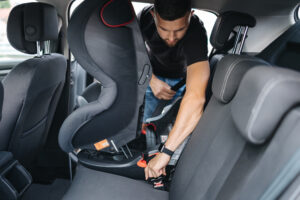 Car Seat Basics is a free, self-paced learning experience designed to help caregivers understand:
- Correct use of rear-facing and forward-facing car seats, booster seats and seat belts
- Why each stage matters
- How to make safer decisions as kids grow
The entire training takes about one hour and builds confidence by focusing on best practices, not just minimums. Sections of the training can also be taken to focus on the most relevant information at a time.
Check to protect
Let’s not forget about the importance of making sure your vehicle is free of any open vehicle safety recalls. This is the kind of task that can easily slip down a family’s to-do list between school drop-offs, appointments and everyday errands. I find it helpful to think of a recall check as part of the same safety routine as tightening a harness or checking a seat installation. You have gone through the effort to ensure your child passengers are safe; it is also important to ensure your vehicle is safe to drive.
Check To Protect makes it easy for families to:
- Check vehicle, car seat and tire recalls for free
- Learn why recalls matter and how to get them fixed
- Access simple tools and free shareable resources
With millions of vehicles on the road affected by open safety recalls, this step is quick…and critical.
Final thoughts: slowing down saves lives
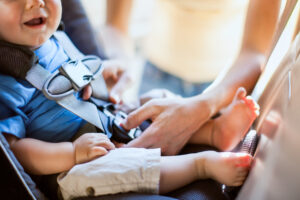 Car seat safety is about keeping children protected in and around vehicles, so don’t skip a step. As a parent, I know the safest choice is not always the most convenient one. Sometimes it means reinstalling a seat after noticing extra movement, opening the manual one more time or explaining why a booster is still part of the ride even when a child feels ready to leave it behind. Each stage is important and designed to reduce the risk of injury and maximize protection as a child grows. Staying in each stage a little longer can make a lifesaving difference and helps build a culture of safety children carry with them into adulthood.
When it comes to keeping kids safe on the road, slowing down and doing it right, every ride, every time, is a decision you’ll never regret.
#MySafeRoadHome blog authors: Hannah Barrett, TIRF Researcher & Program Manager and guest contributor Jennifer Booge, National Safety Council Program Manager worked collaboratively as co-authors. Hannah is a criminologist and specializes in alcohol ignition interlock programs, wildlife-vehicle collisions, and impaired driving countermeasures. She is also the mom of two young kids, so car seat safety is an important road safety issue close to her heart. Jennifer coordinates programing efforts for the Child Passenger Safety Resource Center, providing occupant protection training, resources and support services to families and community programs. Jennifer is passionate about her work in traffic safety and enjoys working with diverse communities to help children and families live safer and healthier lives.
Resources
National Digital Car Seat Check Form – https://carseatcheckform.org/
National Safety Council Child Passenger Safety – https://www.safety-connection.org/
Child Passenger Safety Learning Portal – https://carseateducation.org/product/car-seat-basics-1
National Center for Statistics and Analysis. (2025, April). Children: 2023 data (Traffic Safety Facts. Report No. DOT HS 813 712). National Highway Traffic Safety Administration.
Transport Canada (2025). Canadian Motor Vehicle Traffic Collision Statistics: 2023. https://tc.canada.ca/en/road-transportation/statistics-data/canadian-motor-vehicle-traffic-collision-statistics/2023/canadian-motor-vehicle-traffic-collision-statistics-2023
Transport Canada (2019). Child car seat safety. Stage 3: Booster seats. https://tc.canada.ca/en/road-transportation/child-car-seat-safety/installing-child-car-seat-booster-seat/stage-3-booster-seats