When I joined the Traffic Injury Research Foundation (TIRF) 14 years ago, I never imagined I’d one day write a road safety blog. I’m not a researcher. I don’t collect data, analyze trends, or spend months studying driver behaviour.
I work behind the scenes as TIRF’s Office Manager and Product Designer, helping keep the organization running while transforming research reports, educational resources, and technical documents into polished publications.
From page layouts to real lessons
When a new report lands on my desk, my first thought is seldom about the research. I focus on page layouts, fonts, graphics, and whether there’s enough content to fill the page. But sometimes I come across a blank space that needs a call-out box or a sidebar. To create it, I have to stop and read what my colleagues spent weeks, or months, researching and writing. That’s when something unexpected happens. I begin translating the research into language that makes sense to me, not as a road safety professional, but as an everyday driver, passenger, family member, and road user. Someone who, like many people, didn’t spend much time thinking about road safety.
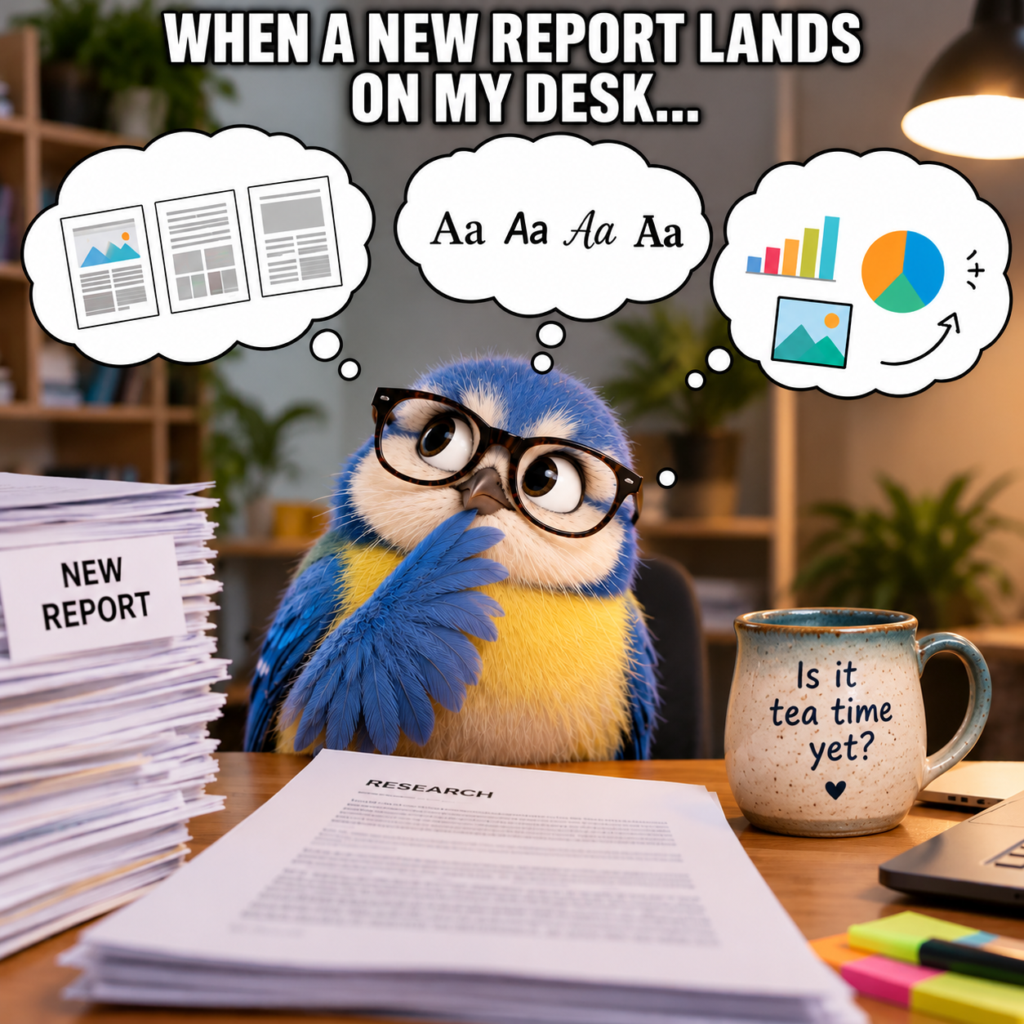
Over the years, those small moments have added up. What began as a job designing reports and creating social media ads quietly became an education. I learned that road safety isn’t just about crashes and statistics. It’s about human behaviour. It’s about the choices we make when we’re distracted, tired, rushed, stressed, or simply convinced that “it won’t happen to me.”
The phone call that changed everything

But my greatest lesson didn’t come from reading a report or designing an infographic. It came from an unexpected phone call. Many years ago, I was the only person in the office when the phone rang. The caller wanted to speak with someone about distracted driving. As we talked, she shared that she had lost a family member because of a distracted driver. I don’t remember exactly what I said. What I remember is sitting there listening as my eyes filled with tears. I felt completely unprepared. I wanted to say something that would help. I wanted to find the right words. There weren’t any. All I could do was listen and promise that I would share her story with the team. When the call ended, I sat quietly for a long time. Until that moment, distracted driving had been something I saw in reports, presentations, and awareness campaigns. Suddenly, it wasn’t just a topic anymore. It was a person. A family. A life changed forever. That conversation taught me something no graph or statistic ever could: behind every number is a human story.
Turns out I was winging the roundabout
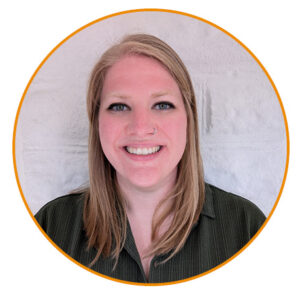
The researcher who helped me get my head around roundabouts.
Not every lesson I’ve learned at TIRF has been so emotional. Some have simply made me realize how much I didn’t know. One day, a colleague suggested creating an infographic about roundabouts. My first thought was, “That’s a great idea.” My second thought was, “I’m actually not sure I’m driving through them correctly.”
My colleague cleverly titled the infographic Let’s Circle Back to Roundabouts, and my job was to turn the research into a simple, engaging infographic explaining how roundabouts work and how to navigate them properly. As I arranged the illustrations, arrows, and text, I found myself reading more of the research than I normally would. Somewhere between adjusting the layout and deciding where an arrow should point, I realized I was learning too. I finally understood how to use a roundabout properly.
Looking back, I find that a little funny. It took working at a road safety organization for me to learn something that millions of drivers encounter every day. But maybe that’s the point. Most people aren’t experts in road safety. They’re simply trying to get where they’re going. We often assume we know the rules, understand the risks, or have good driving habits without ever stopping to question them. I know I did. If I could learn something while designing an infographic, maybe someone else can learn something by reading it.
Everyday decisions, lasting consequences
After 14 years at TIRF, one thing I’ve learned is that road safety is far more complex than I ever imagined. Even though I’ve never conducted the research myself, I’ve had a front-row seat to the work of my colleagues do every day and the lessons that emerge from it. What stands out most is that road safety isn’t just about engineering, enforcement, education, or data. It’s about people. It’s about families. It’s about everyday decisions that can change lives in an instant. And perhaps the biggest lesson of all is this: you don’t have to be a researcher to learn something that could make you, or someone you love, safer on the road.
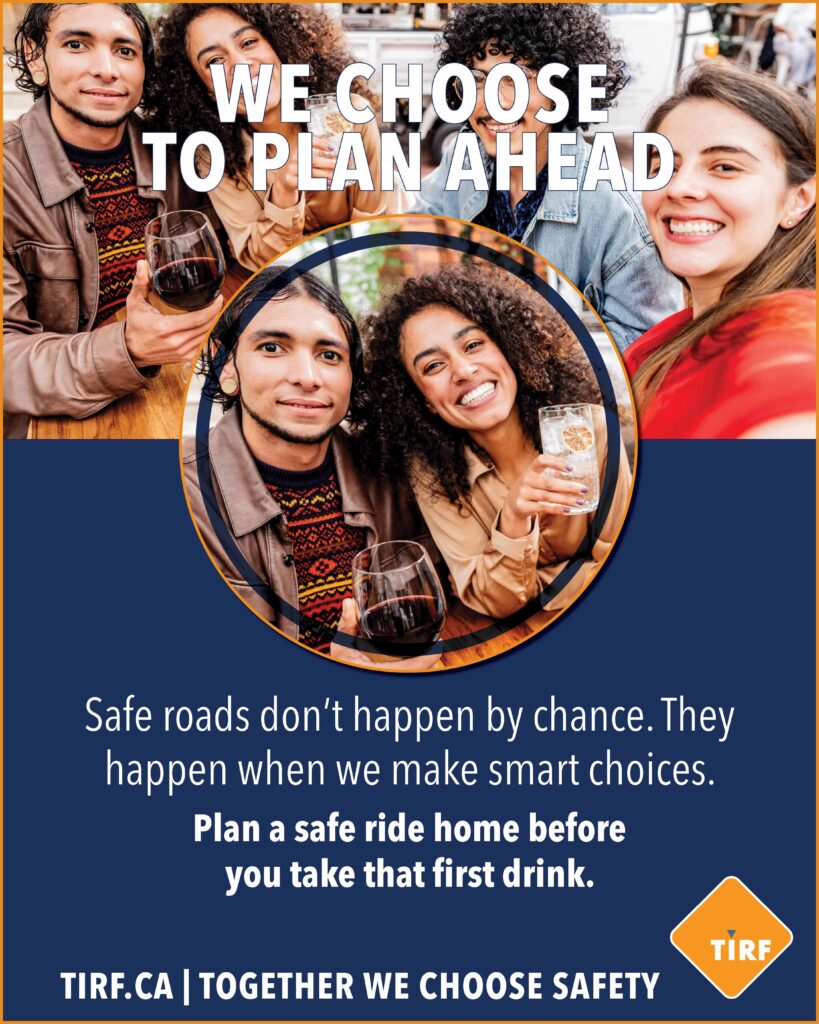
What I take with me on the road
Today, when I begin designing a fact sheet or report, I naturally start by thinking about the layout. I choose the fonts, graphics, and white space to make the information clear and engaging. But as I work through the content, I find myself reading another paragraph, another statistic, another story. Over the years, I’ve realized that the reports, fact sheets, infographics, and campaigns I’ve worked on haven’t just inspired new ideas for communicating road safety, they’ve changed the way I think every time I get behind the wheel.

I hope the work we do at TIRF has the same effect on others that it has had on me.
If even one report, fact sheet, infographic, or campaign helps someone learn something that makes them, or someone they love, safer on the road, then we’ve done exactly what we set out to do.
#MySafeRoadHome author: Jennifer Hall has spent 14 years behind the scenes at TIRF as Office Manager & Product Designer; this is her first TIRF blog. She helps keep the organization running smoothly, collaborating with staff on media, fundraising, finance, travel, and research. She turns her colleagues’ research into clear, engaging publications and resources for easy access by communities to support road safety efforts.
Related topics:
 |
 |
 |
 |